Physics ANYTHING NEW WILL GET A DEDICATED PAGE - THIS IS A HOME PAGE FOR THE CLASS: PHYS 106 = A GLORIFIED TAG
ADD Euler Method
Lecture 1 = rough notes Lectures 2 - 8 = screenshots of material (essentially review of high school / IB physics)
Introduction (Lecture 1)
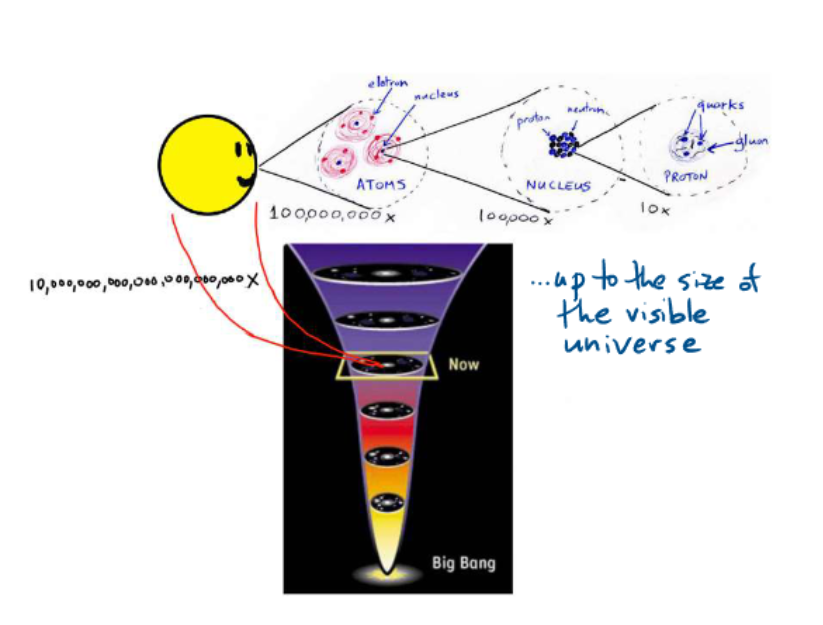
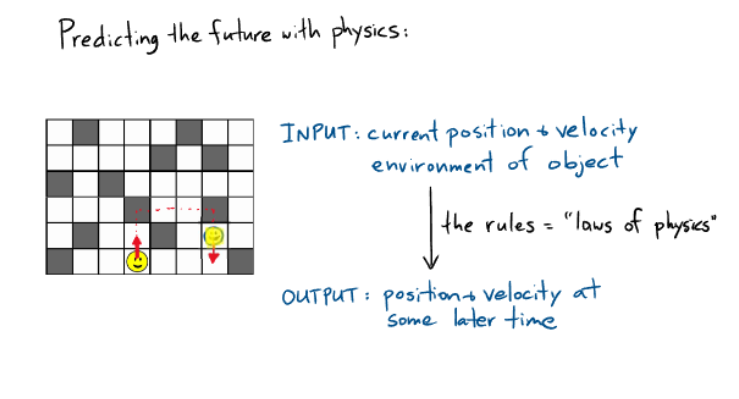
What is physics The goal of physics is to observe the universe and to understand its rules. * “Workings of everything in the universe are governed by a few simple basic principles = elegant mathematical rules” Occam’s Razor Empiricism * We have managed to understand these rules (mostly) + how to manipulate these rules to our advantage. * Predict the future (outcomes and experiments) * Deduce the past * Design technology
Describing a Universe
To determine the rules of the universe we must:
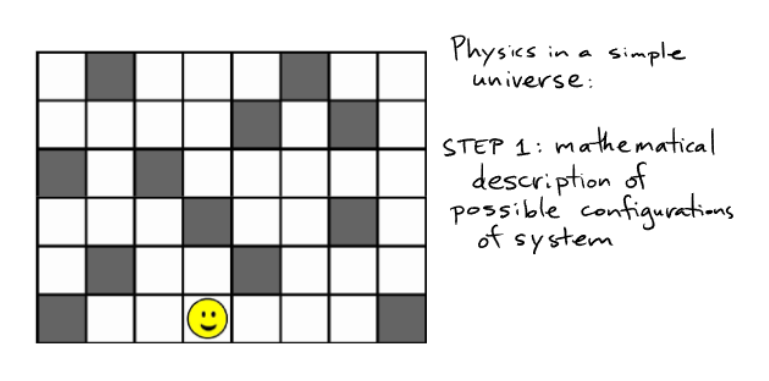
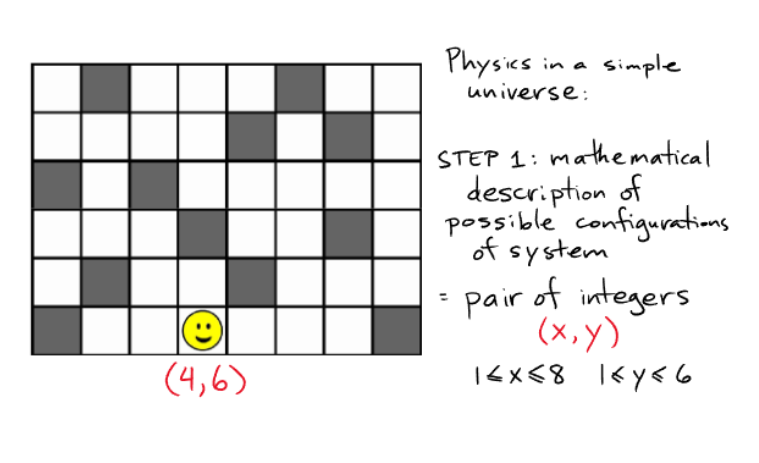
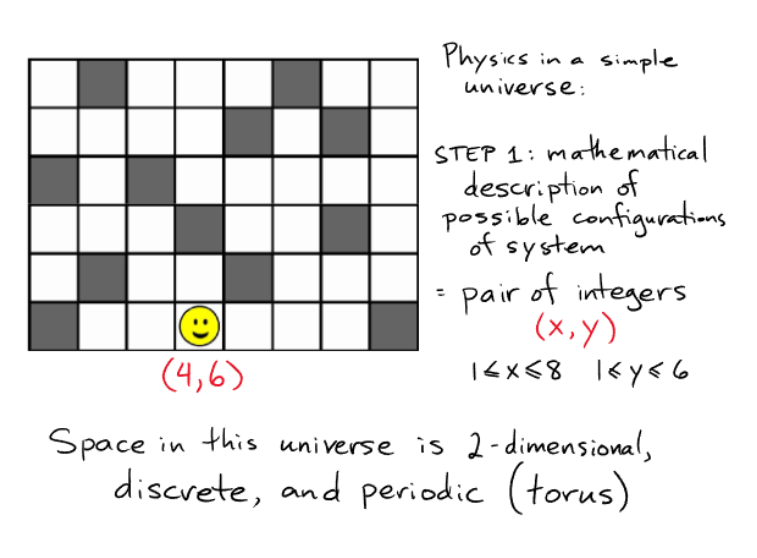
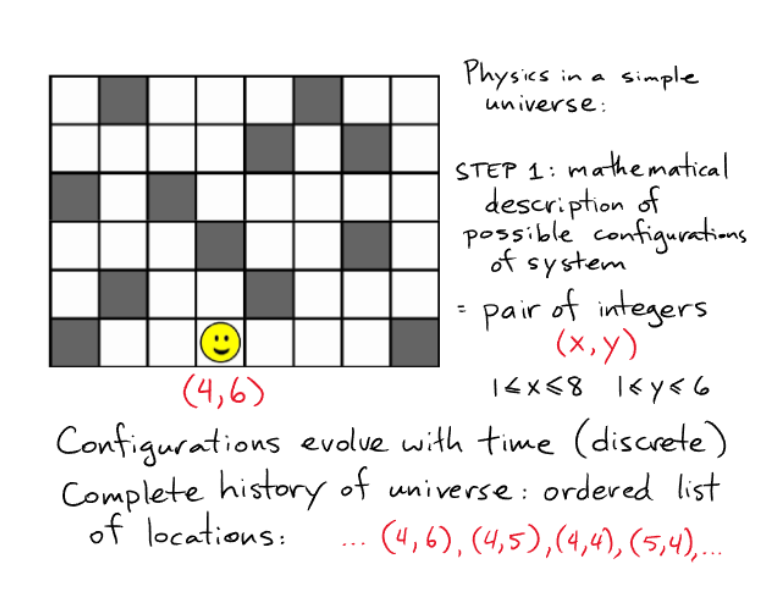
- Have a mathematical description of possible configurations of the system.
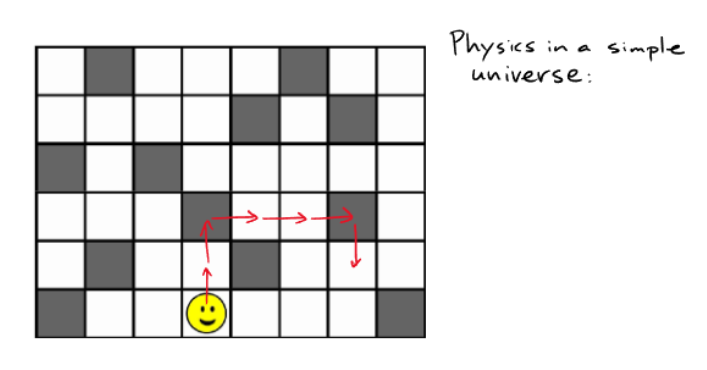
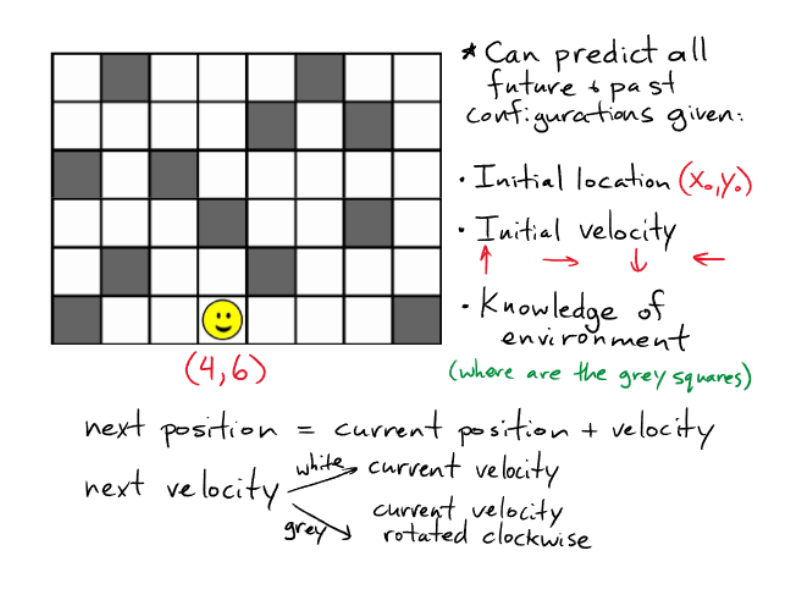
- E.g. In the happy face example: a 2D, discrete time intervals, periodic (torus) is the environment/ and observation.
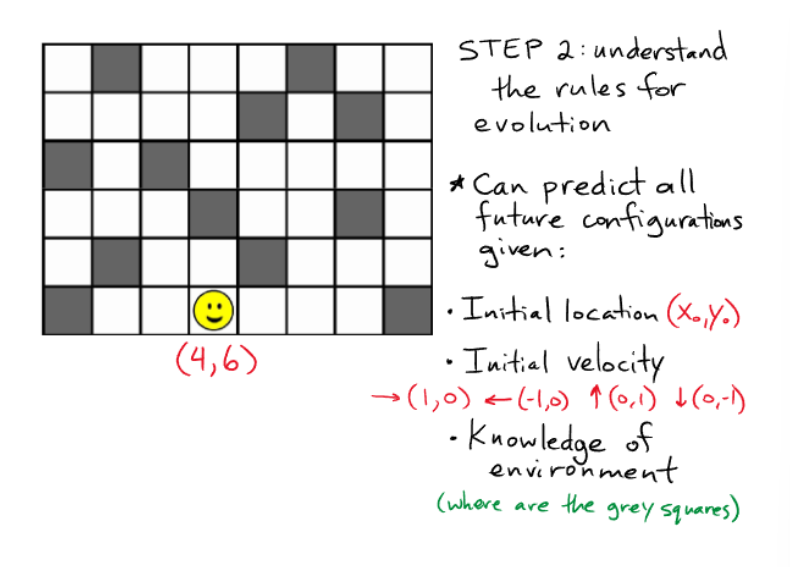
- Understand the rules for evolution/propagation: Can predict all future configurations given
- In the happy face example: Initial velocity , the initial velocity, clockwise by (on a gray tile), next position = current position + velocity, next velocity (if white = previous velocity, if gray current velocity rotated clockwise).
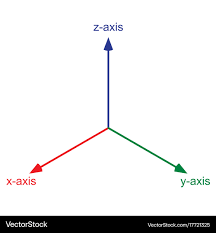
Coordinates of an Object
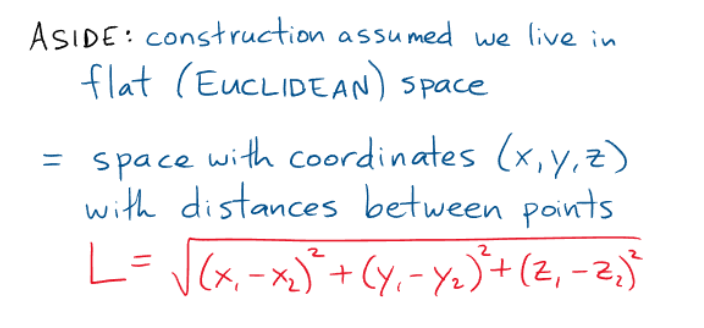
This is similar to the universe we live in where: the previous state of an object is contingent on the environment, previous states etc. in the field of Classical mechanics. This is true for Euclidean geometry, but on larger scales, with larger masses, this falls apart according to Relativistic mechanics (differential geometry to assign coordinates a non-Euclidean plane). = 3 dimensions to describe the central point of an object: x, y, and z are all mutually perpendicular to each other.
Orientation of an Object
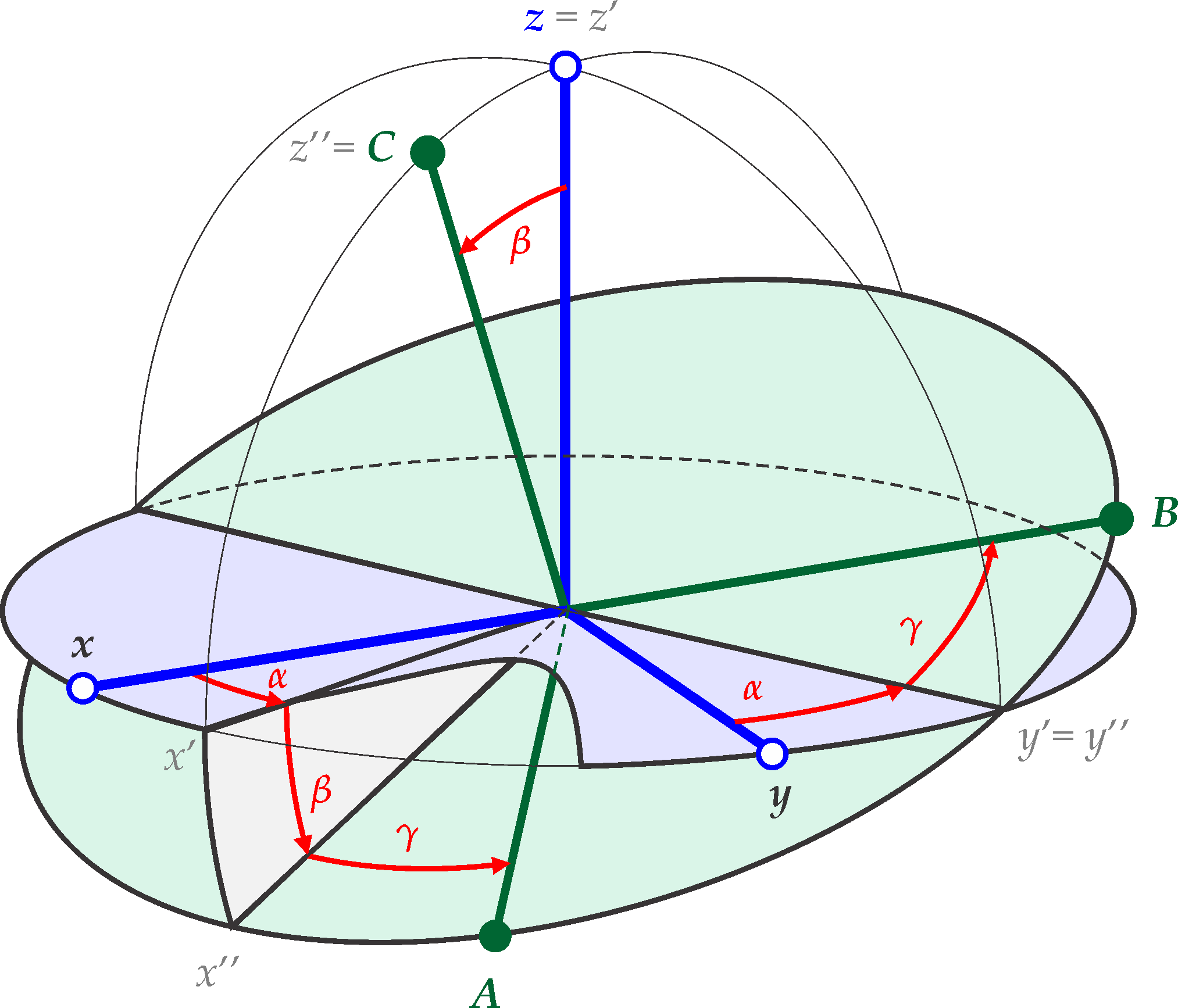
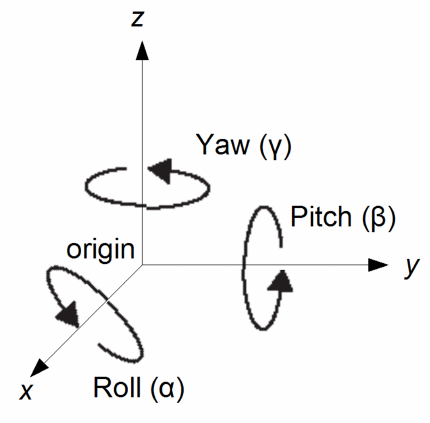
There are 3 angles needed to describe orientation:
What is mass?
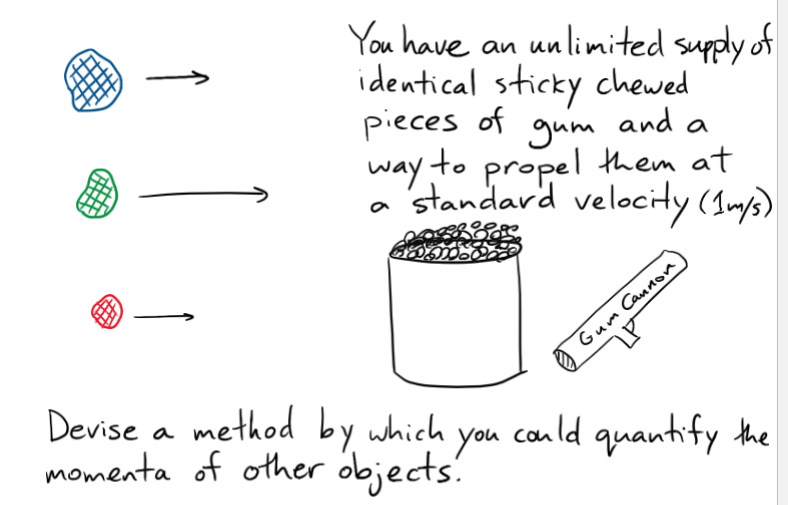
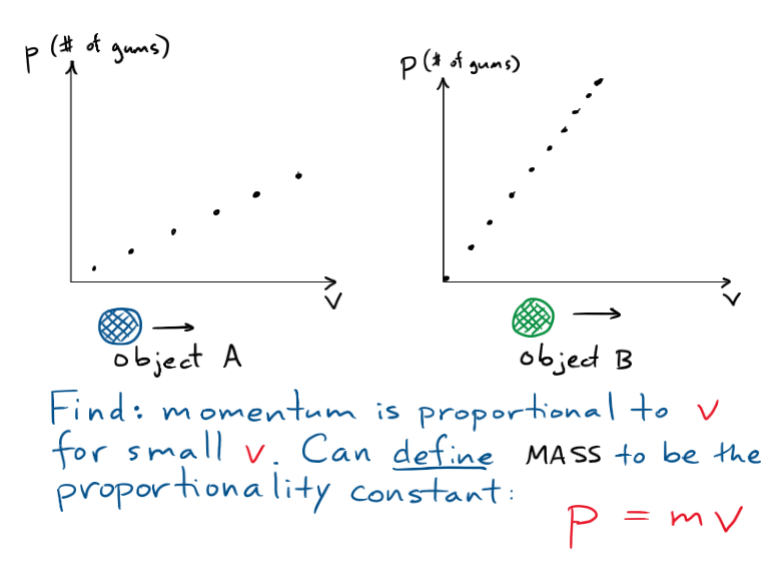
In deep space where we can ignore gravity, is it possible to tell how massive things are? If so, how can you tell?
Representing Motion (Lecture 2) [ss]
Constructing a Universe from Scratch
Start Simple: Understand Motion of Solid Object
- Step 1: Mathematical description of possible configurations to evolution of system
- How can we mathematically represent the location and orientation of a solid object?
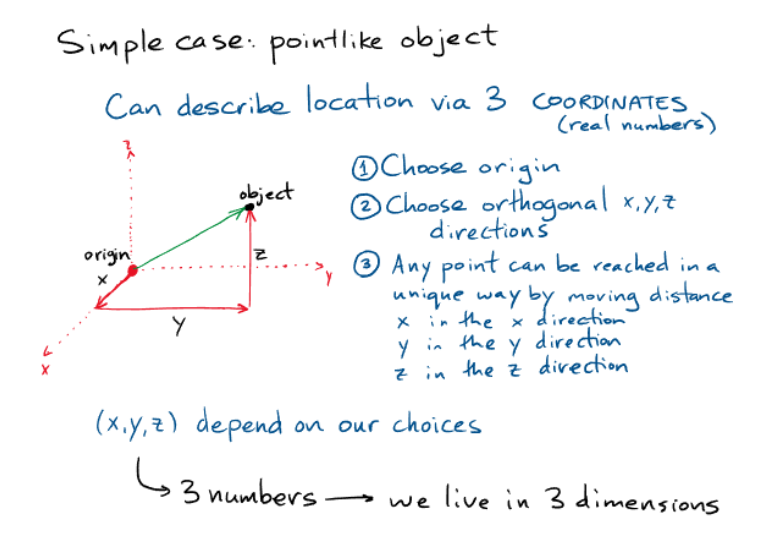
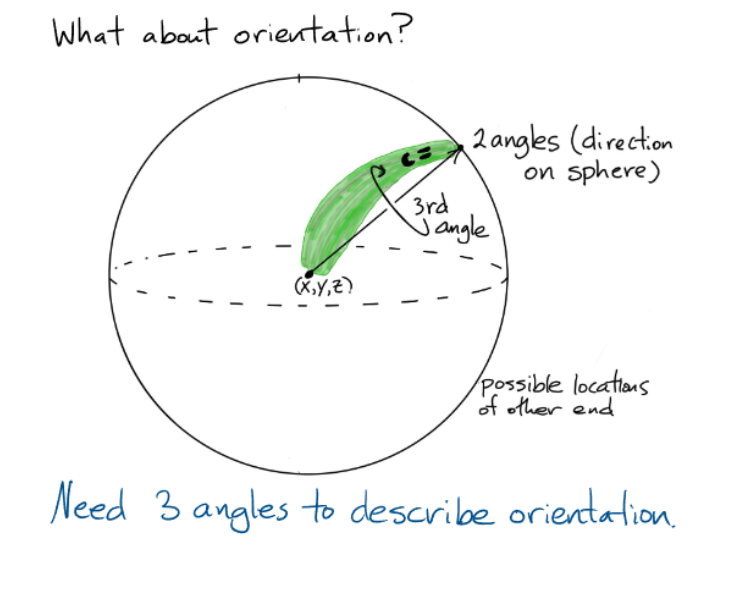
- How can we mathematically represent the location and orientation of a solid object?
- Step 2: Represent motion
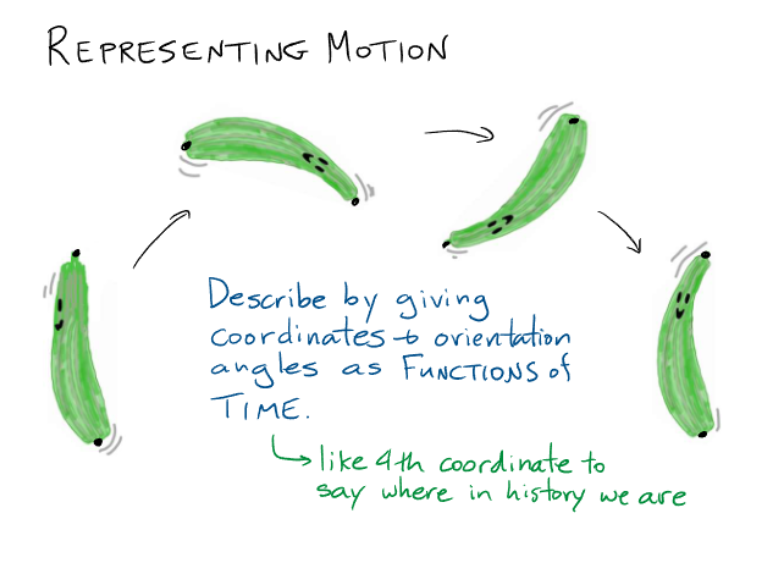
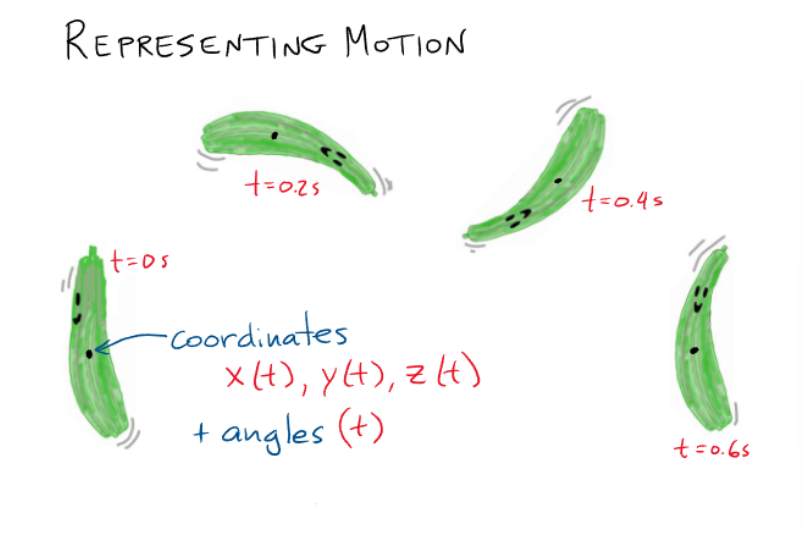
- This is only possible if there is some sort of standard time interval - dropping a ball from a certain height, pendulum/ SHM system etc.
Time, Velocity, and Acceleration Kinematics (Lecture 3) [ss]
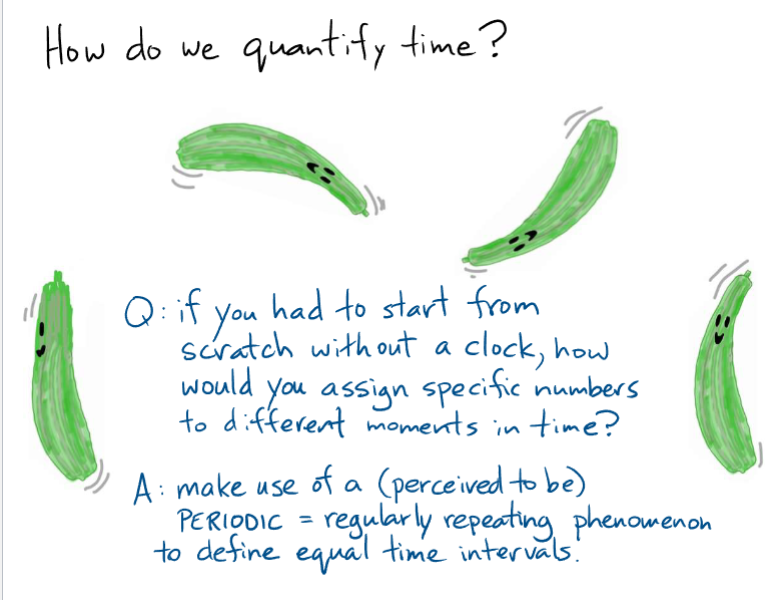
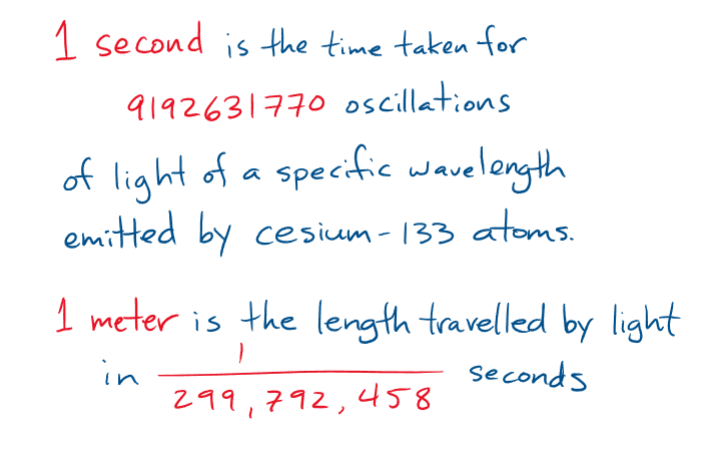
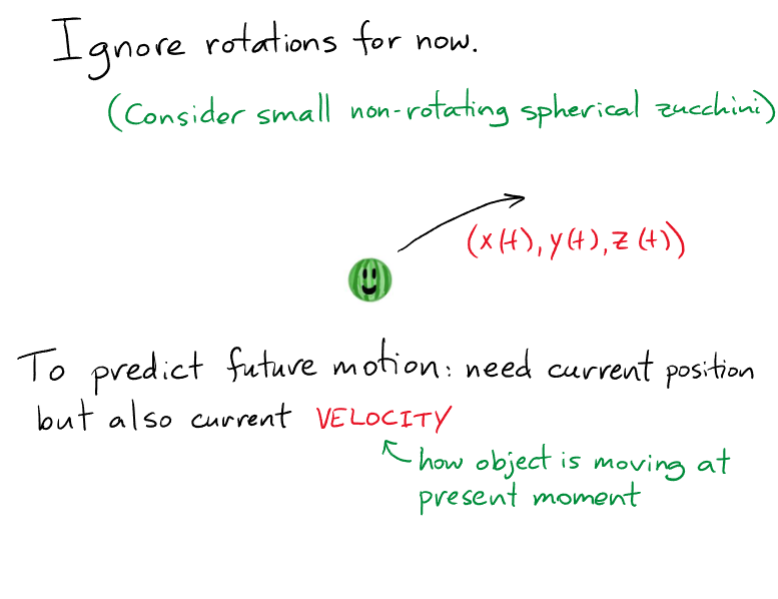
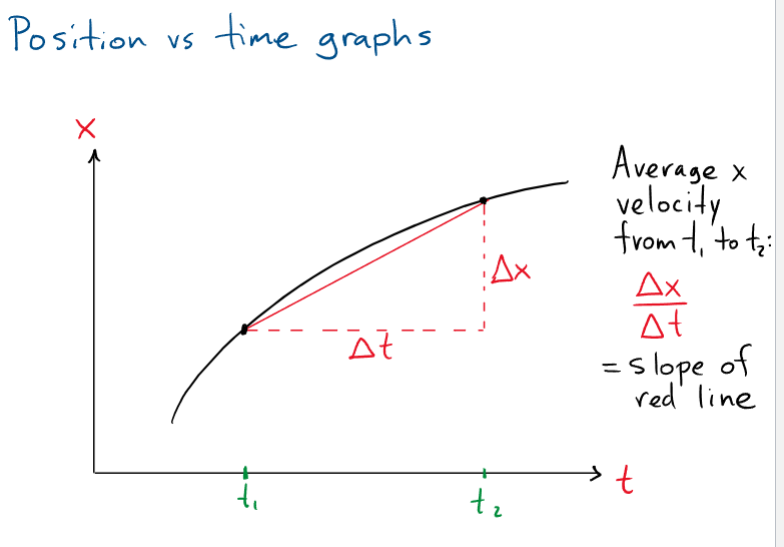
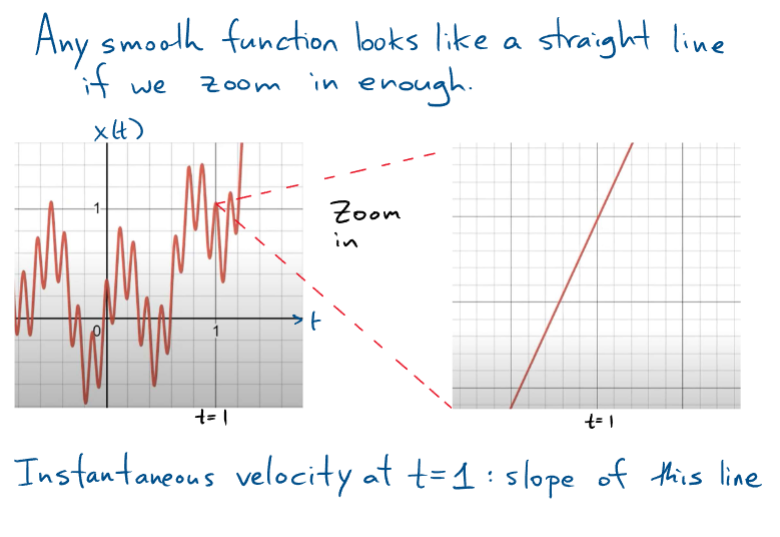
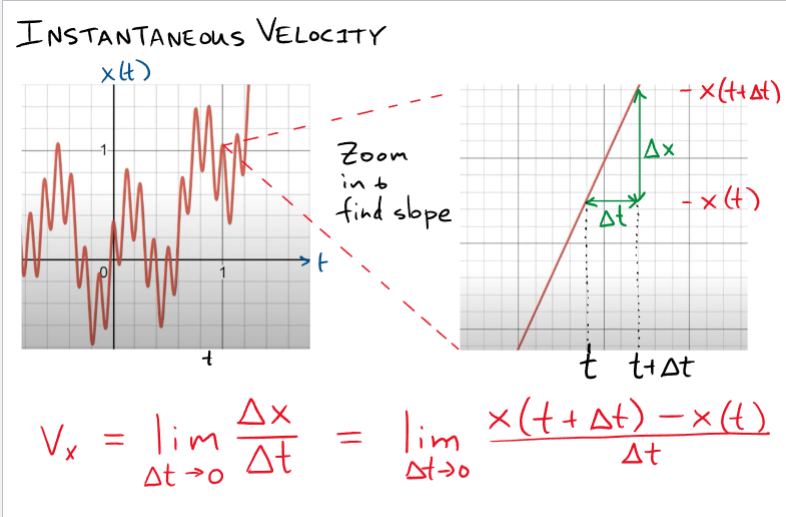
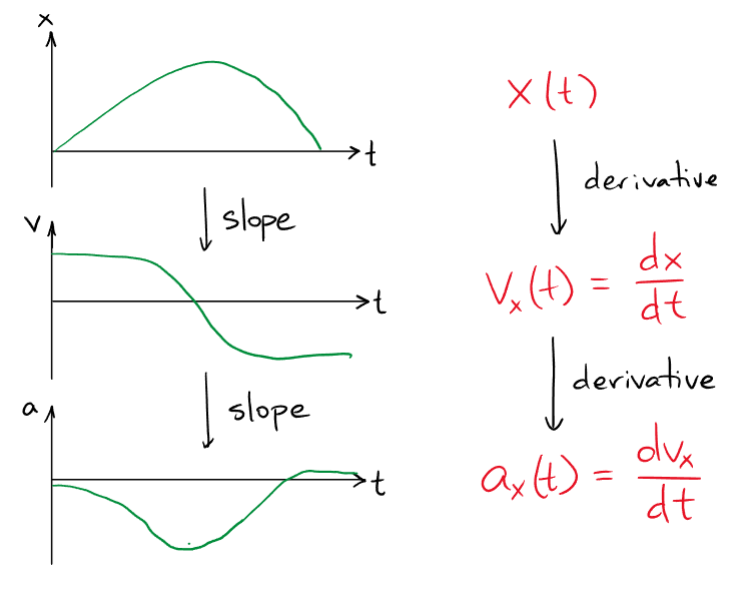
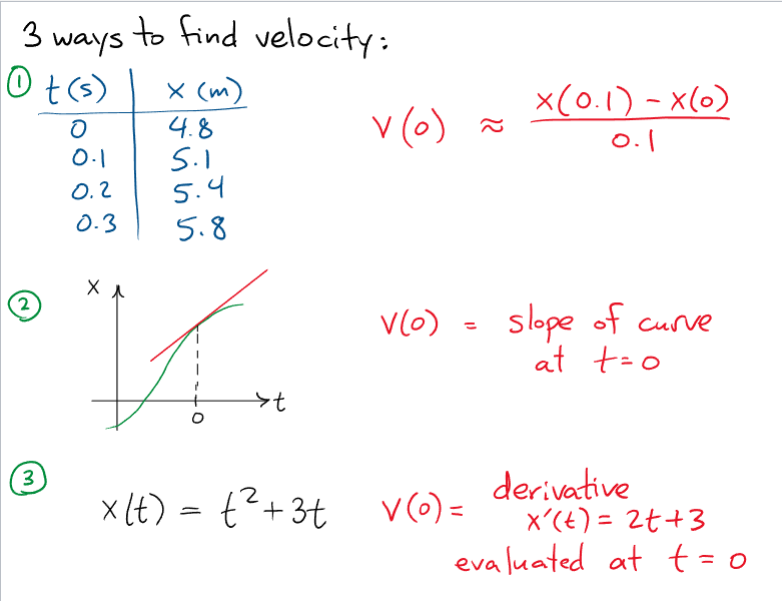
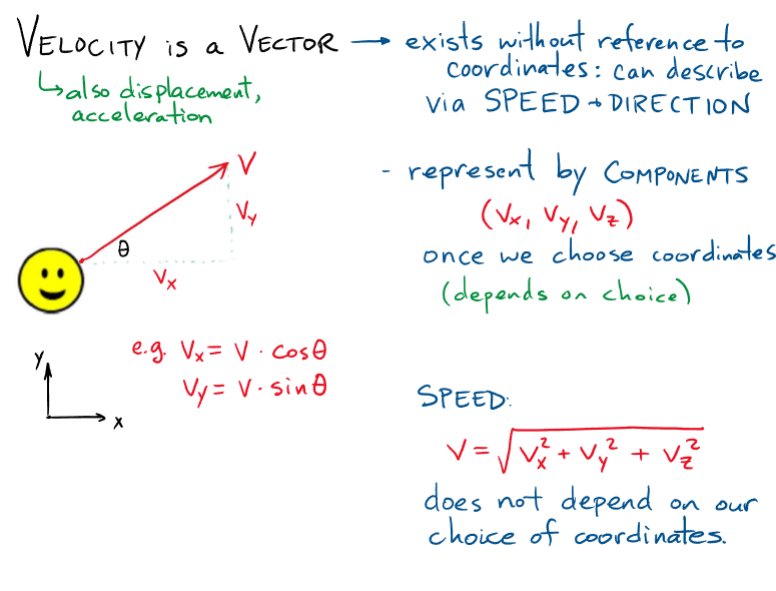
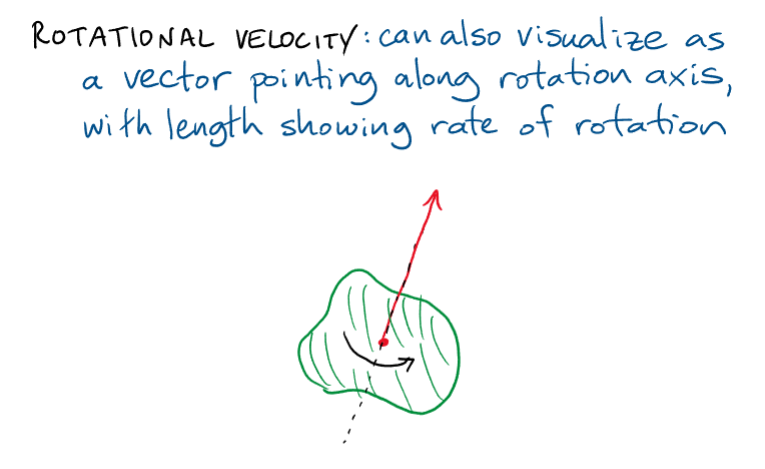
Instantaneous Velocity, Velocity and Acceleration from Graphs (Lecture 4) [ss]
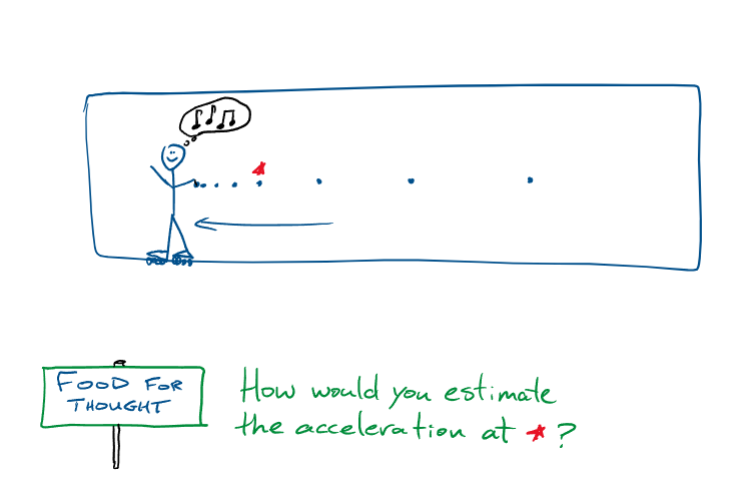
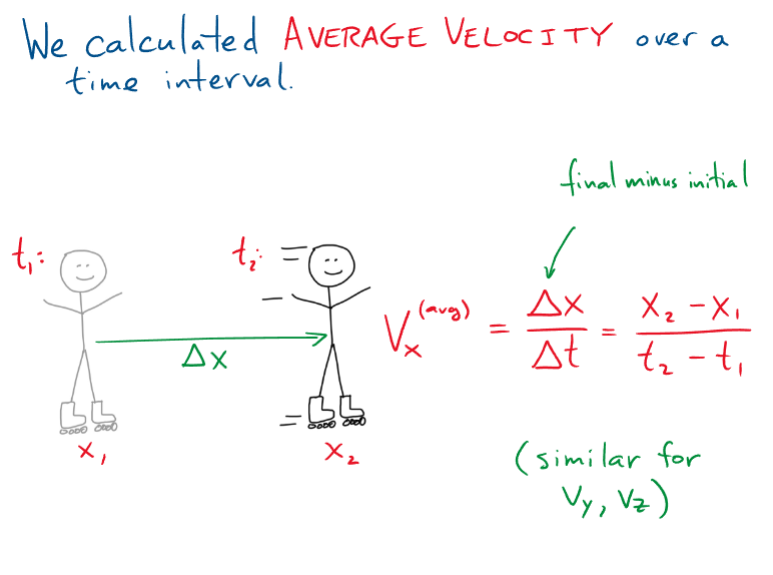
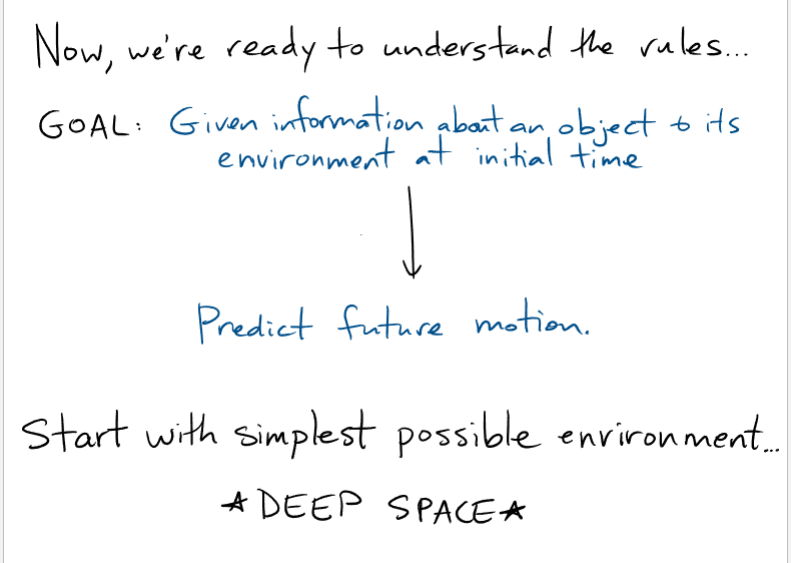
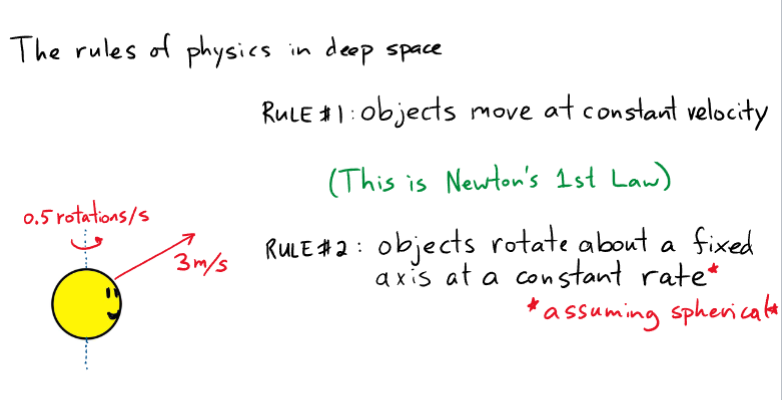
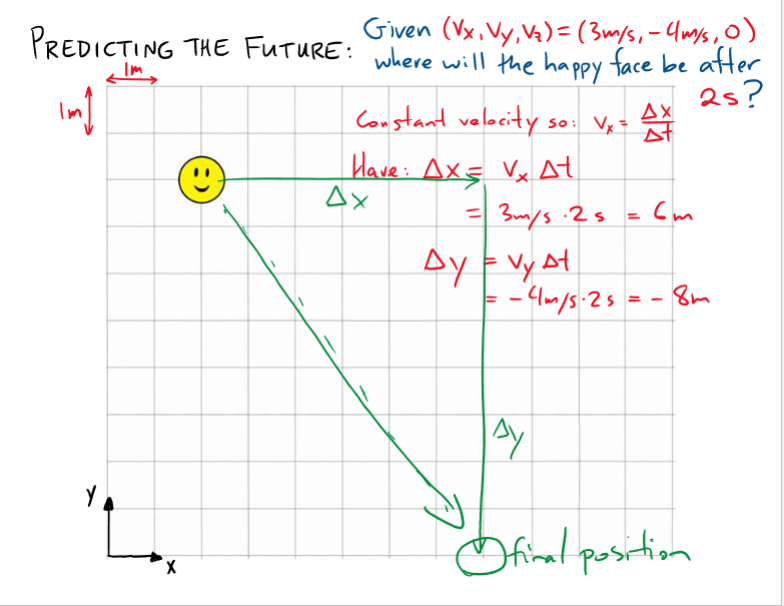
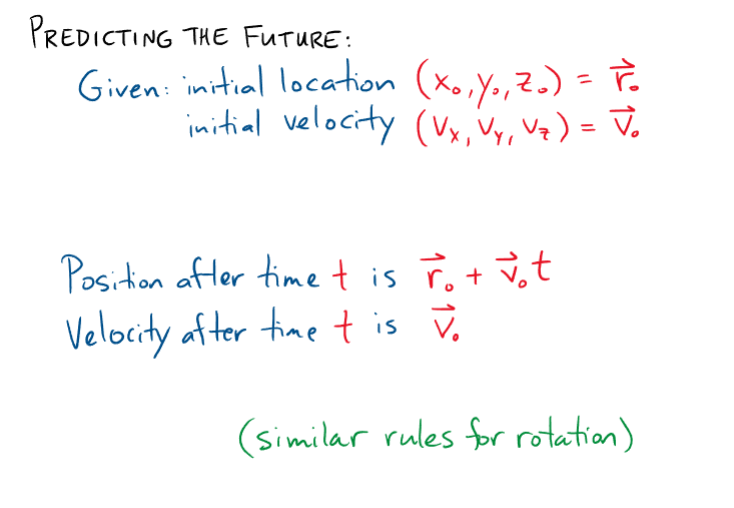
Rules for Physics in Outer Space (Lecture 5) [ss]
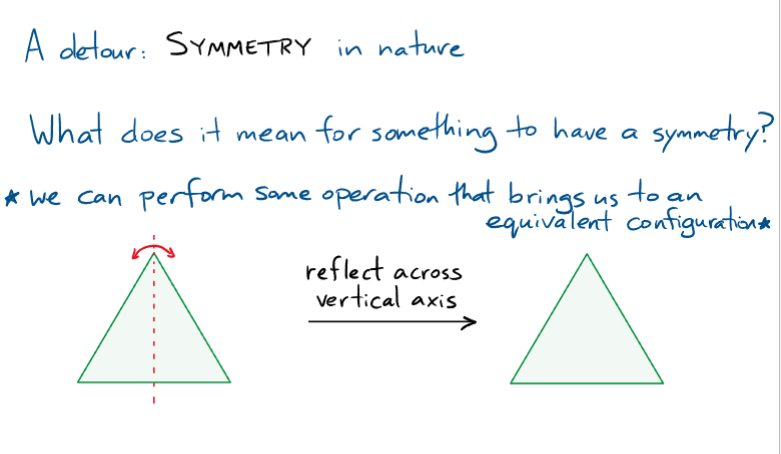
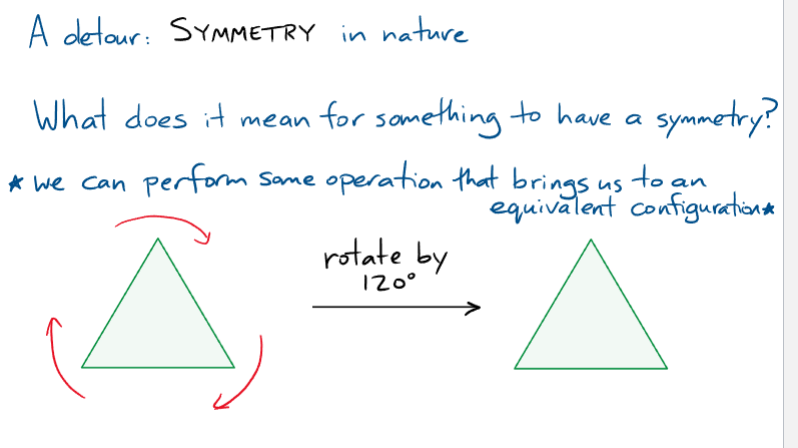
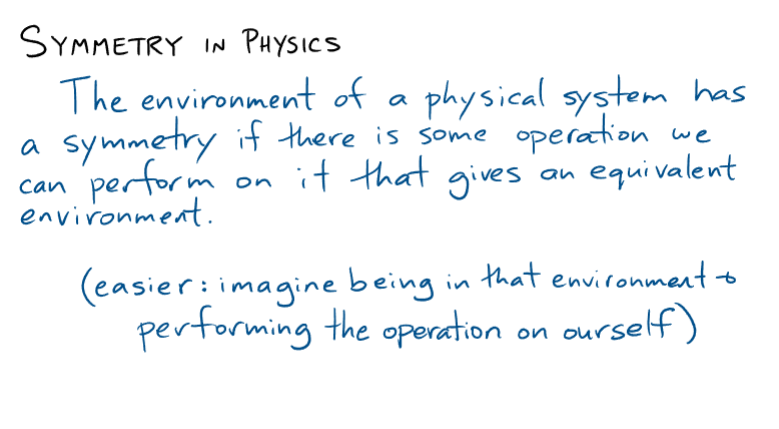
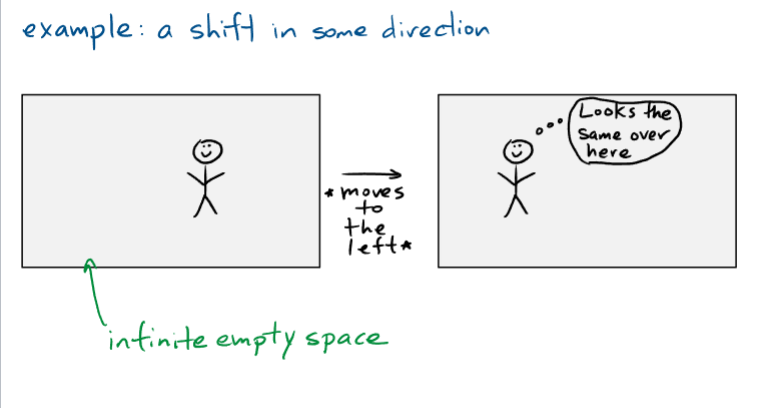
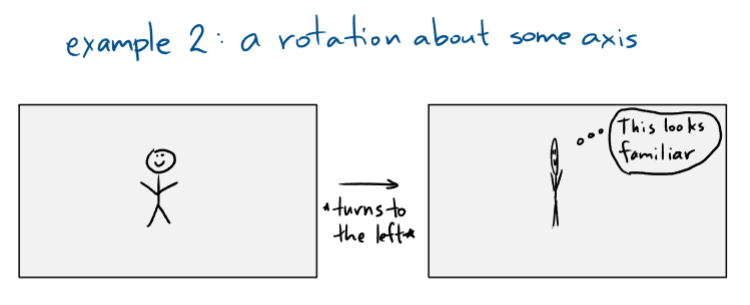
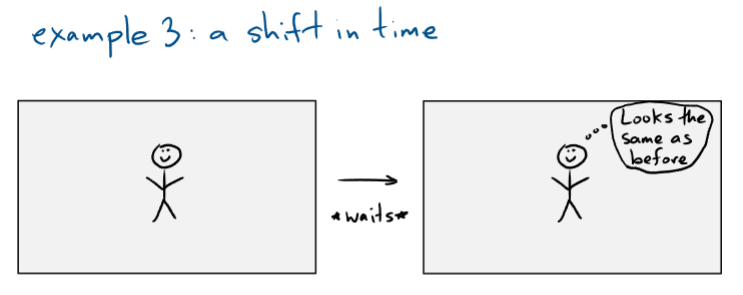
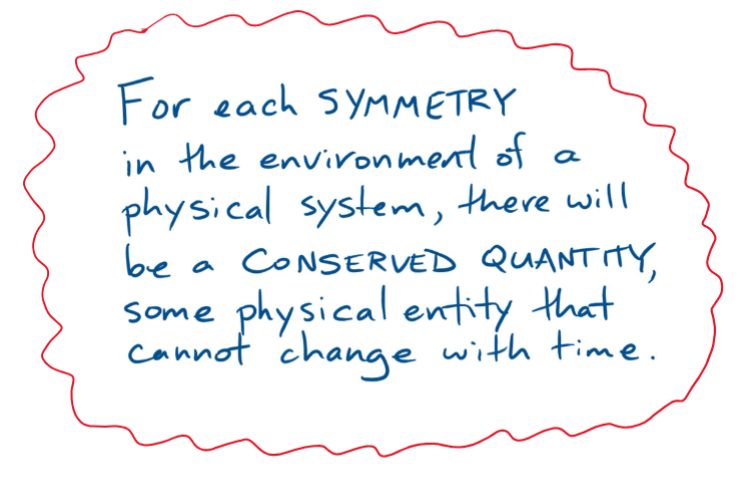
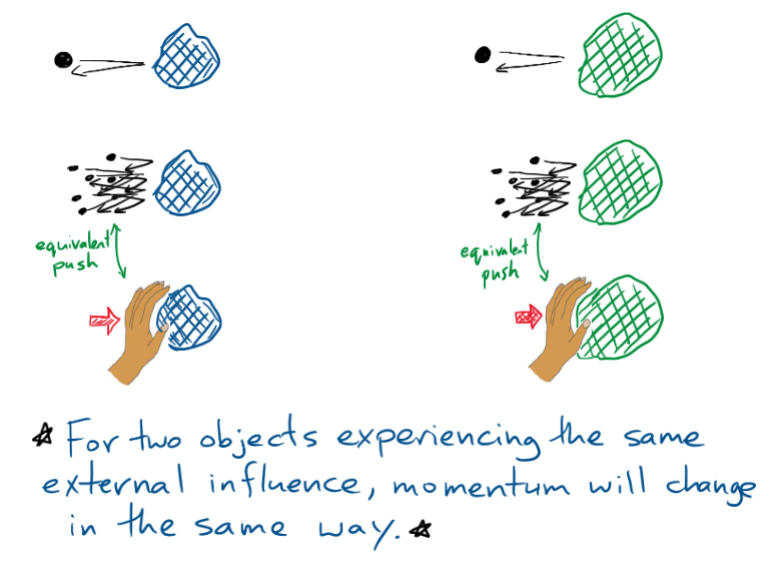
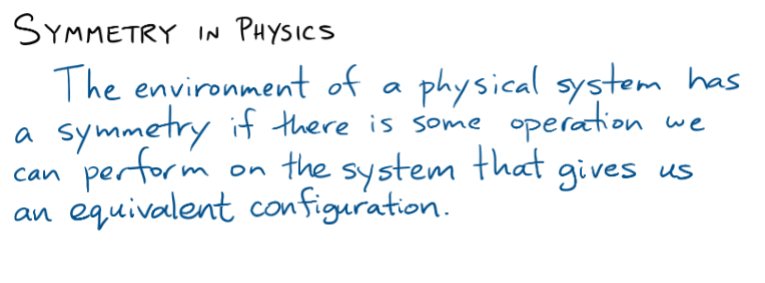
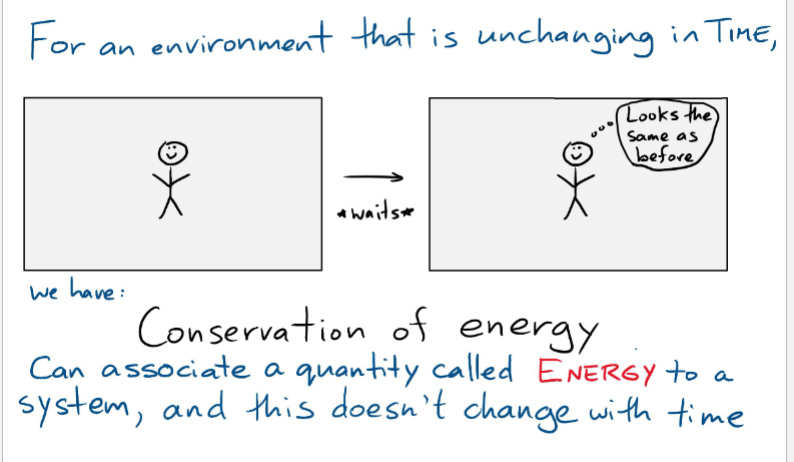
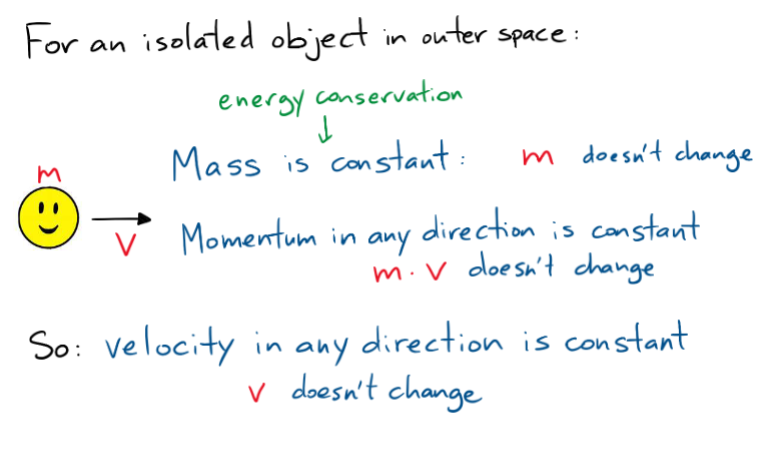
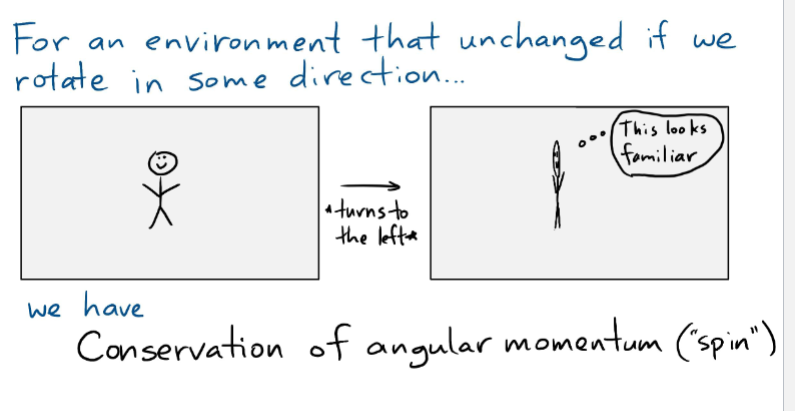
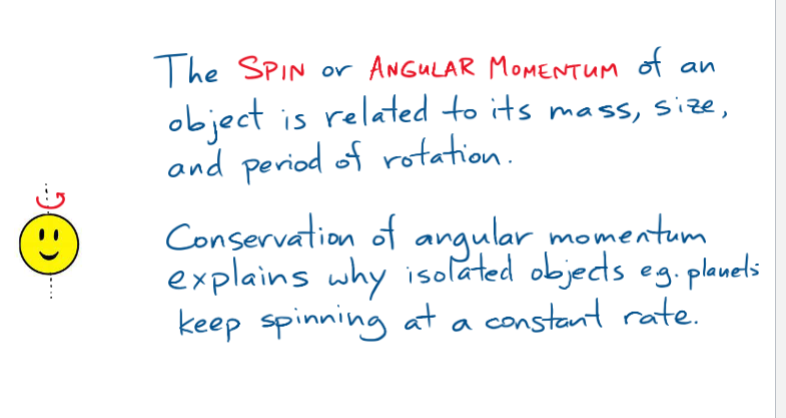
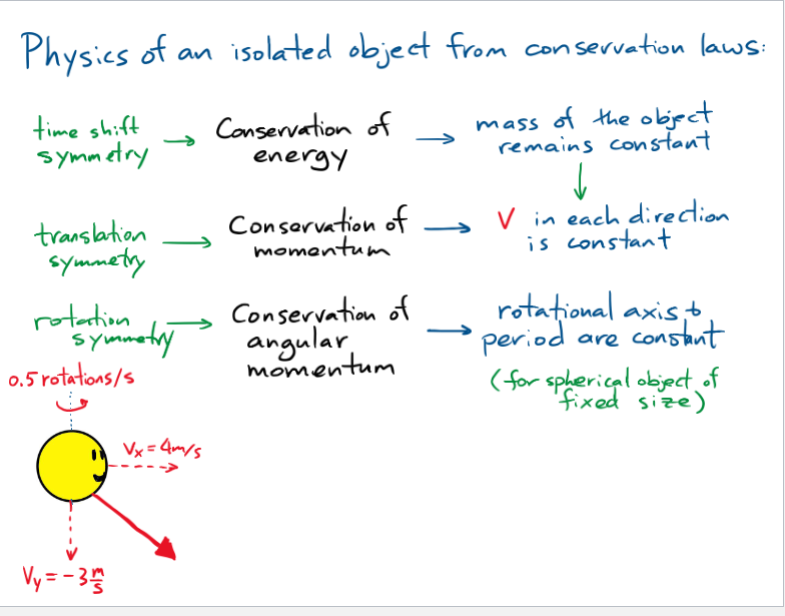
Symmetry (physics) and Conservation Laws Momentum; Momentum Conservation (Lecture 6) [ss]
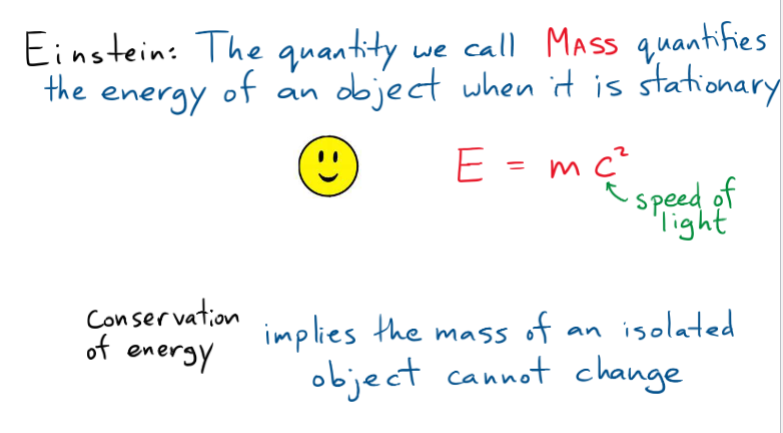
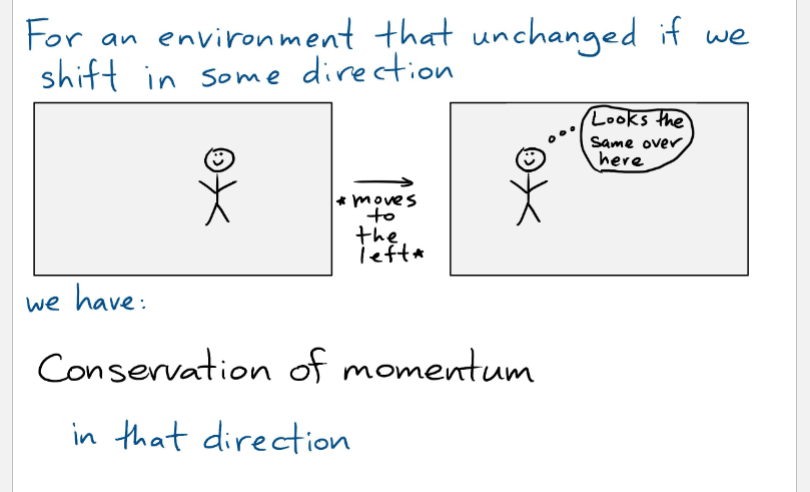
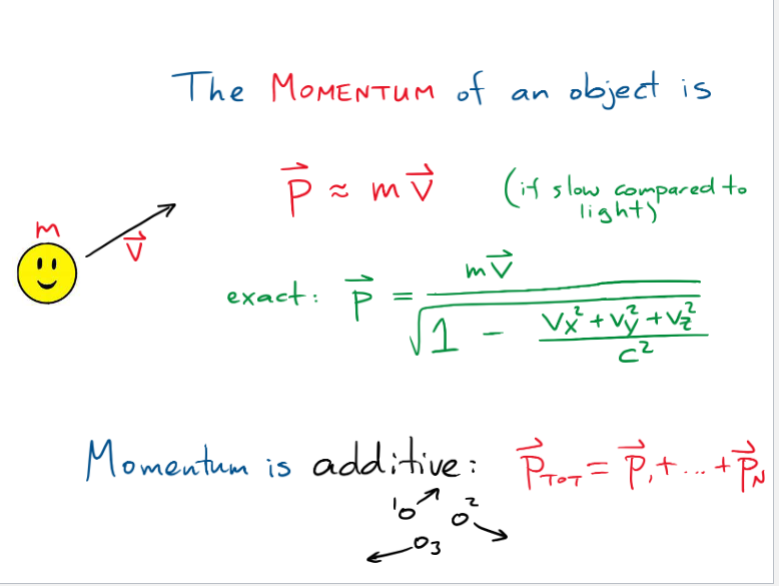
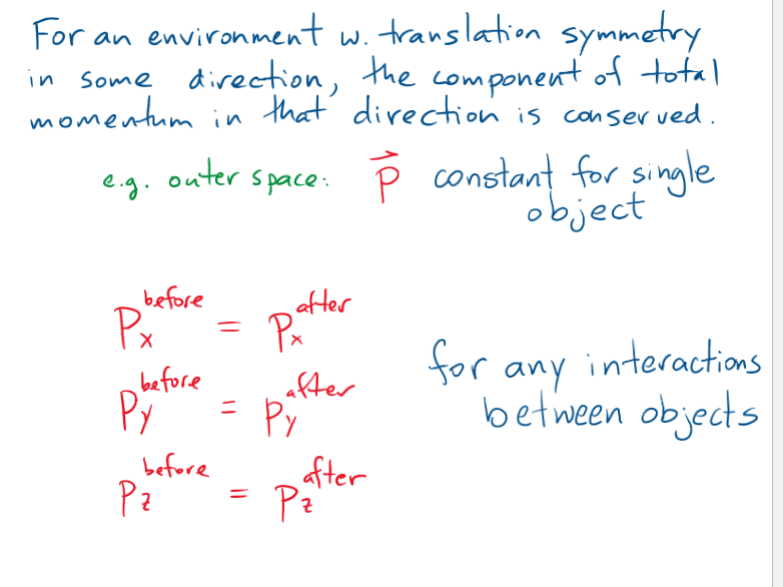
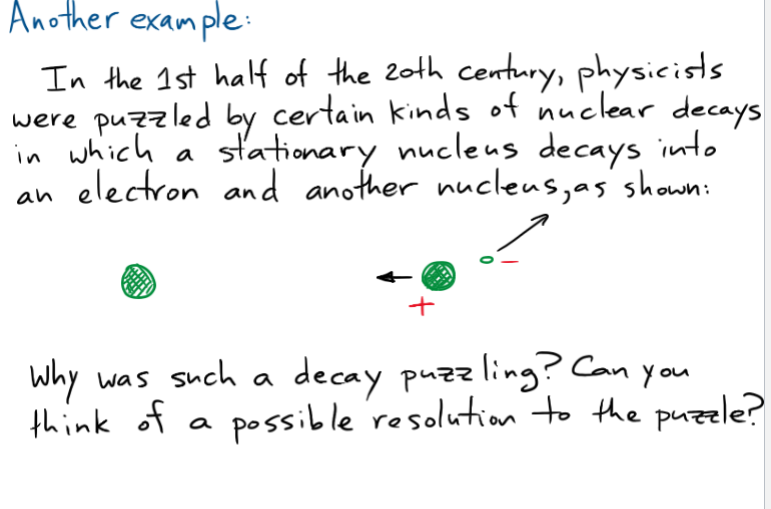
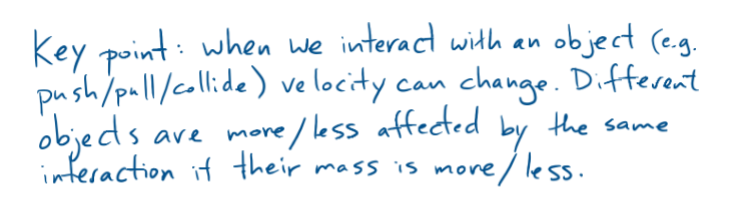
What is Mass? (Lecture 7) [ss]
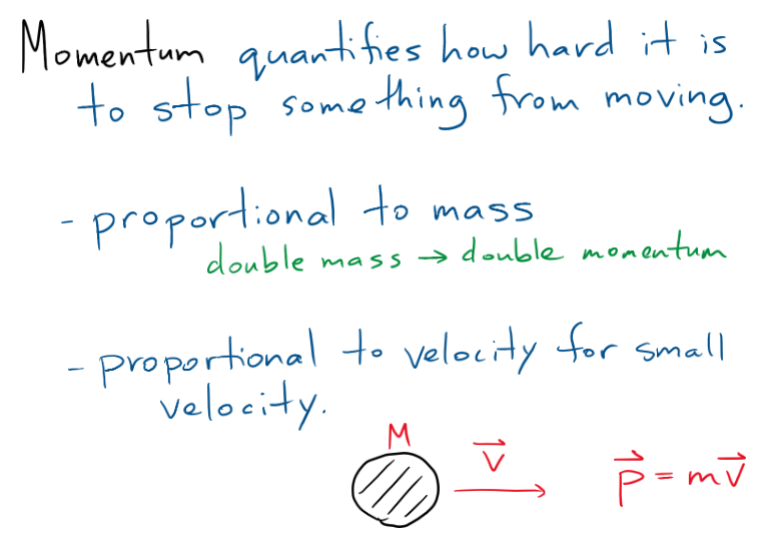
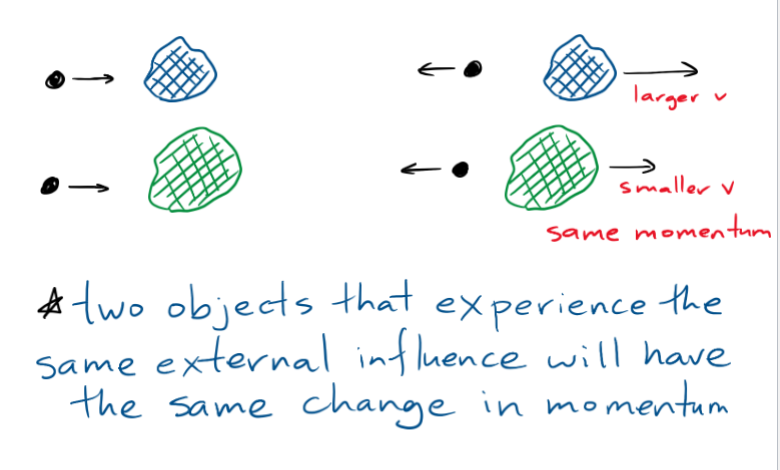
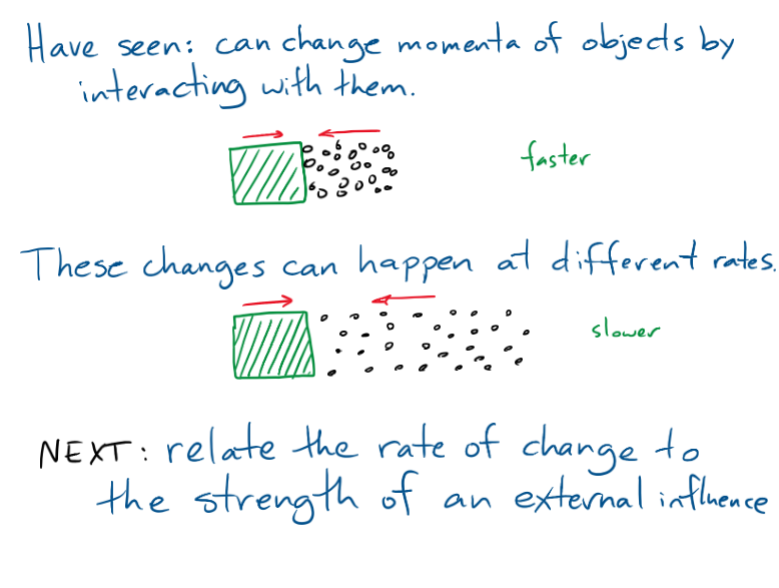
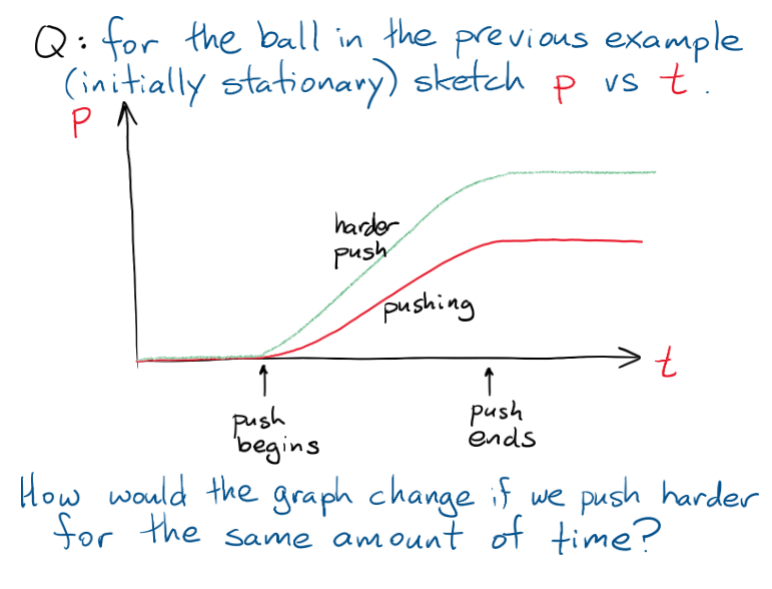
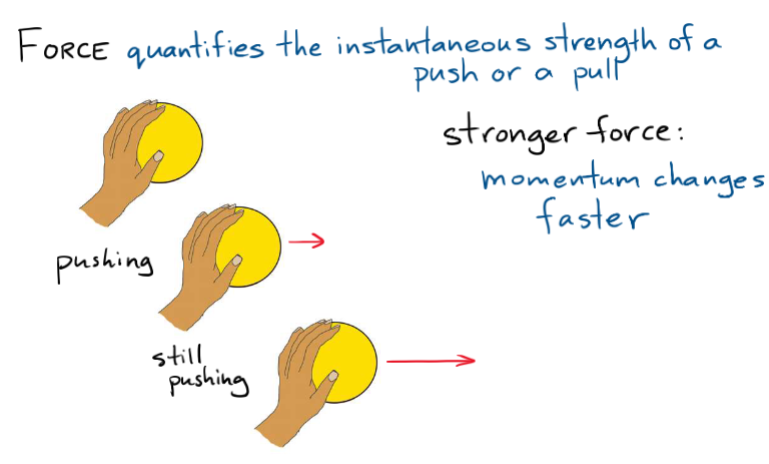
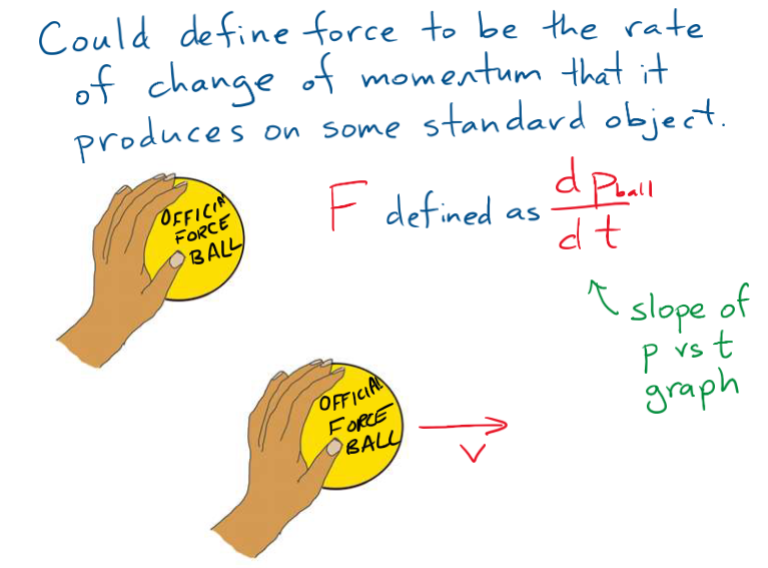
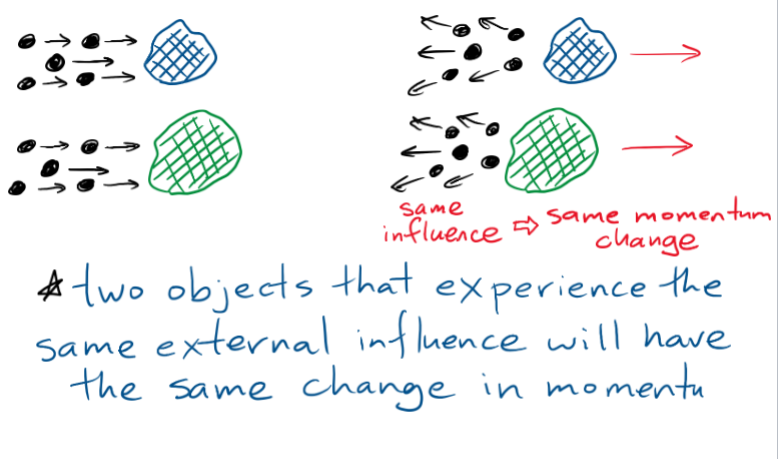
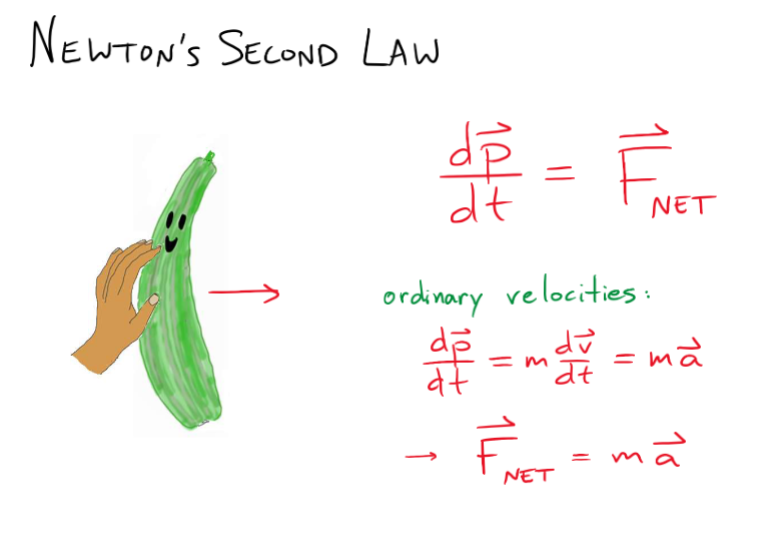
Force, Newton’s Second Law (Lecture 8) [ss]